ThoughtsFurPaws

Written by Merve on October 21, 2010

thoughtsfurpaws2
The blog is a collection of pet charities and concerned individuals, which combines posts from pet lovers from all over who are tasked into improving the lives of neglected and abandoned pets. The many charities that deal with pets have been wrecked by intrigue and drama that you don’t know which is which. The pages contain warming stories straight from the people who do the rescue work themselves as well as pet lovers who are passionate about our furry friends.
Not just for furry but all types of animals and pets are subject with many links to several blogs that also aim to raise awareness regarding the plight of dogs, cats, birds and even farm animals that are being raised for the pet trade. Hear the warming stories of adopted animals as far as Baghdad that have been brought home to the States, helping their adopted owners deal with the turmoil that is war.

Categories: Activities, Animals, Campaigns, Charities, Children, Disaster Relief, Environmental, Families, Fundraising, Ideas, Inspiration, News, Organizations, Websites | Tags: , , , ,

2 Comments

Whales –Secretive Creatures

Written by Merve on February 25, 2008

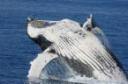
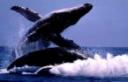
Whale3.jpgWhale2.jpgWhale1.jpgWhales are considered to be the least studied marine mammals on earth due to their secretive lifestyle while they roam the world’s oceans. From birth till maturity, their lives are still quite murky for the studies only go on seasonal observations by scientists. Their long lifespan and large size prevents them from being captured and raised in captivity where scientists have learned so much about the world’s many marine animals. Breeding, diets, and many other aspects of their daily lives still elude our scientists and new innovative developments like the whale cam, which is a camera that attached to the back of whales allowing scientists to see what they do when they go miles under the sea to feed or do whatever whales do.

Protecting the oceans is still the first step and education is the key. Efforts have been quite successful but their numbers still dwindle on the brink of extinction. Some species are even thought to be almost wiped out due to few sightings. Plastic pollution in the seas is also becoming a greater threat for these artificial wrappers do not degrade and are often blamed for the deaths of many marine animals which die from ingesting or getting caught in them. There is need for protection for these giants who have a right to live as we do for they have long been in the seas long before man has ever been on earth and man who is considered to be the only being on this planet who has the power to save or wipe out a species should do everything in it’s power to do so. Save our Seas and save the Whales, we might just end up saving ourselves.

Categories: Activities, Animals, Environmental, Wildlife | Tags: , , , , , ,

Comments Off

Why Some Animals go Extinct

Written by Merve on February 19, 2008

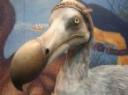
Thylacine.jpgQuagga.jpgDodo.jpg
Environmentalists, conservationists and scientists have been working hand in hand in the race to preserve plants and animals in the wild. Even with ample funding and resources, some of these animals and plants defy explanation in the sense that artificial propagation or aided-reproduction proves to have little headway. Nature is still a wondrous and secretive world that not all the factors have been explained. Scientists and explorers have been forced to go to extremes to gain better understanding of how and why animals in captivity fail to reproduce regularly.

They have found that the environment (plant, animal and other variables) plays part in the health of a whole species sometimes interacting in a mysterious way that it produces the right atmosphere for certain species to reproduce. Plants have proven to be a bit easier to manage for they can be manipulated genetically, allowing the creation of several new plants from minimal samples. This means that there is no need to gather from the wild, samples that have to be experimented on in the lab further threatening their presence in the wild. Some plant species have simply died off naturally which tends to make scientists and botanists believe that the process is natural. Some are wiped out due to man’s greed such as the case in the Amazon and the jungles of Sumatra, where huge tracts of virgin forests are set fire to for charcoal, cultivation and land. Charcoal making is a short term solution for economic needs for it takes a couple of hundred years for forests to generate good trees. Agriculture is also short-term for the soil is poor and cultivation would only be possible with the heavy use of fertilizers and pesticides in order to boost yields, further polluting areas far from the cleared areas. Development projects also fail due to threats from another type of natural biochemical warfare that causes sickness leaving many a developed areas abandoned due to malaria, dengue and other animal/insect borne diseases that when transferred to humans become deadly.

Some animal species that have gone extinct in the past years have gone out without a fight, being eradicated well before enough knowledge has been gathered to study them and the role they play in the ecosystem such as the Australian Thylacine when the last known specimen died in 1933. The late Steve Irvin better known as the ‘Crocodile Hunter’, who is considered to be one of the most known and outspoken Australian conservationists has lived a life dedicated to the preservation of wildlife even when he was accidentaly stung by a ray as he was filming. His daughter, Bindi Irwin, inspired by his father and mother’s work in helping animals, continues to promote conservation along with her mother and the other members of the Australia Zoo continue Steve’s fight for the preservation of Australia’s natural beauty and unique animal species. The Kiwi of New Zealand would have also shared the same fate if people hadn’t pushed for a huge effort in understanding them better. Captive breeding programs are now providing re-stocking of the flightless Kiwi bird, the last of the ancient bird order the moas to areas of New Zealand that have not yet been overrun by feral species.

Categories: Animals, Environmental, Organizations, Wildlife | Tags: , , , , ,

Comments Off

Economics and Charities for Wildlife (part 2)

Written by Merve on February 16, 2008

Australia’s marsupials have long suffered from these introduced species that Bandicoots other indigenous animal life have almost been wiped out of their previous territories. Australia isolated a portion of its territory, fencing it and killing all non-native species that come in or near it to preserve and allow them to recover. In New Zealand, Kiwis(the flightless bird not the fruit) which has long been part of their cultural heritage have long been extinct in developed areas, thriving only in isolated islands where non-native species have been able to reach. In the Philippines, Sea turtles have long been used for food and commerce that the WWF through local groups and the government, have been working to establish sanctuaries to safeguard the beaches which they use for nesting from predators (dogs, cats and humans) patrolled by volunteers till the eggs hatch. The said volunteers aid the hatchling to the sea lessening the deaths that occur due to natural predation from sea birds.

The great elephants of Thailand are now beginning to receive protection with neglected ones being cared fro and rehabilitated for release into wildlife preserves. Orangutans in the Malaysian isles have been protected fro sometime with some headway in terms of breeding and the establishment of large enough rainforest to allow them to thrive and breed naturally.

All these species have been threatened and continue to be threatened by our activities, so much that some are already in the endangered species list. Many still suffer from poaching due to the huge demand for traditional medicine and cure-alls that efforts are making a small impact on the demand. The small steps we take towards a ecologically diverse and stable wildlife community should also include habitat that should be protected by their governments in order to prevent illegal activities. The West and their citizens have long promoted protection for animals and their habitat sometimes when they themselves experience them as tourists to these foreign lands. Locals too have been touched by the plight of these animals that they have banded with volunteers from other nations in the quest to preserve and protect our native species. To end it, all of us can do our share in the drive for the preservation and protection of animal species through donations and volunteer work. Check out your local wildlife centers for any needs and please donate to help them.

Categories: Animals, Campaigns, Environmental, Wildlife | Tags: , , , , , , ,

Comments Off

Economics and Charities for Wildlife (part 1)

Written by Merve on February 13, 2008

endangered.jpgAs we all know, awareness about nature is the sort of humane actions that has been helping wildlife all over the world for sometime now. The charities like the; World Wildlife Fund (WWF), The International Fund for Animal Welfare (IFAW), The UK’s Blue Cross and many others are all founded and based mainly in developed countries who have the financial might that allow their constituents to provide their time, expertise and have ample resources for funding that allow them to exist and continue working thought the hardest of times.

Many Asian countries boast some of the most diverse and untouched natural habitats the world over mainly due to the undeveloped nature of these countries. Less development means less pressure on nature in terms of habitat disruption/destruction and trade in wildlife/derivatives. Many animals have suffered due to the demand for animals that was first used for traditional Asian medicine that is now slowly being curbed by environmentalists who aim to educate the locals on how the loss of these native species would impact their environment.

The very slow development that has protected and allowed these animals (tigers, orangutans, birds, turtles and many other species) to thrive in peace has been shattered but rapid expansion and development of pristine areas for tourism and other commercial uses that habitat destruction is the most common result. Sea Turtles for example have a very low survival rate from the time they hatch to the time that they are sexually mature to reproduce that only about 2 in thousands will make the return trip to their nesting grounds (if they are still there that is). Those species that have been heavily studied and bred with the help of science are making a comeback but species like the fabled Blue fin Tuna which has eluded artificial propagation are still quite on the downhill in terms of numbers but research continues. The development of formerly pristine areas has also brought feral or introduced species such as cats, dogs, goats and pigs that destroy the habitat of native species even wiping them out totally from some areas.

More on the next post……..

Categories: Animals, Environmental, Wildlife | Tags: , , , , , , , , ,

Comments Off