Donate Something Still Useful to Charity

Written by Merve on February 17, 2011

When we hear of solicitations, chances are our mindset would be to give away old clothes or canned goods just to say that we made a charitable act. But while this is something generous of us, it may be wise for us to use logic at times. Old clothes still have categories and this includes “still usable”. These days, people forget about this important necessity. We stock up old clothes and put them in sacks since we cannot use them. But before we placed them there, we already have an idea on whether they can still be used or not.

Old clothes are a big help to the needy. But apparently, we cannot discount the possibility of giving away clothes that are good as trash. Since we donate them, people receiving them do not have a choice of selecting and make do with what we can give. But personally, we should take out the clothing that are no longer usable.

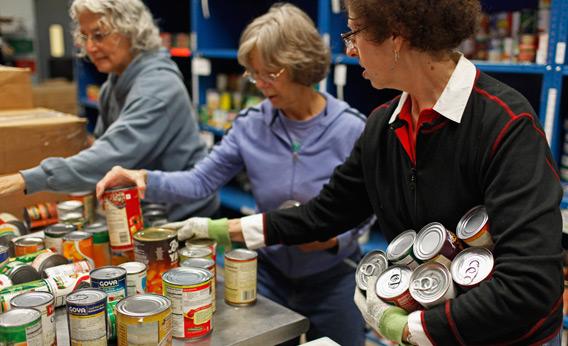
Canned goods can be in any form. The normal ones we give out are the cheap ones such as sardines. For a couple of extra bucks, perhaps we can add something different like perhaps milk or something healthy. If all the poor people had to live on sardines, imagine at the level of help they can get.

All I am saying is that when you give to charity, mean it. It is not about taking something out of the closet or the kitchen cabinet to say you did a good deed. We are giving to people as well. Just imagine how you would feel if you were in their shoes.

Categories: Activities, Analysis, Charities, Fundraising, Ideas, Products, Tips | Tags: , , ,

Leave a Comment

Does Your Charity Have A Newsletter?

Written by Merve on January 20, 2011

copy2_of_copy_of_NewsletterMost every organization has a means of communicating their activities with their clients and customers. Charities are not exempt from this. Indeed, charities need newsletters more than other entities. Charitable organizations actually rely a lot on the goodwill of others. And what better way to reach out to these people by sending out newsletters on a regular basis?

Big charities have web sites, offline newsletters, and all sorts of other ways to get the word out. They have the means and resources to do so. For small charities, however, it might not be so easy. This does not mean that you cannot come up with your own newsletter, however. Here are some things that you can consider as you come up with your newsletter.

Determine your recipients. The more the better. Everyone who is in your contact database should be included in your list of recipients. Of course, do not forget that your database should not be static. It should grow as time goes by.

Determine how you will send out your newsletter. You can do this through e-mail or through printed copy. I would suggest using the latter, especially for starters. Electronic newsletters will not cost you anything.

Determine the contents of your newsletter. This will change from issue to issue but the bottom line is the same – you have to tell your recipients about your core values. You have to tell the recipients your regular activities. You have to share your continuing programs. Tip: don’t over do it. Two pages should be enough to keep them reading.

Determine how often you should send one out. This could be tricky. You do not want to send out issues too far and few in between. Do make sure however, that you do not send newsletters out too often, as your resources may not be able to sustain it.

Categories: Activities, Ideas, Tips | Tags:

Leave a Comment

Investigate Before You Give To Charity: What To Ask

Written by Merve on November 29, 2010

Theres not much worse than door-to-door solicitors who you actually have to deal with in your own home. When it comes to people asking for donations, by far the easiest ones to refuse (if desired) are the letters (chuck it in the bin if you’re not interested), second comes the telephone solicitations (sorry, I’m not interested, or some other lame excuse which the person on the recieving end does not see, thankfully).

But door-to-door solicitations are the most difficult to deal with, rather like the kindly-faced vacum cleaner salesman or friendly Mormon at your door. I remember some years ago when a “Norwegian Wooden Floor” salesman knocked on our door one day, with a neckbrace. Needless to say, a week later, our living room floor was covered in some very expensive flooring.

But back to the topic. Dealing with solicitors can get hairy, so here are some things you should be ASKING should you get a phone call, or worse, the door-to-door solicitor.

And most importantly, if you are feeling pressured, getting repeated visits or feeling harassed, ring your Better Business Bureau IMMEDIATELY and report them.

1. WHAT? is charity’s name and details such as address, contact numbers, license, website.
2. WILL your donation be tax deductible? Ask if they have the necessary licences etc.
3. ASK about registration and licensing. This is required in most areas.
4. ASK about the percentage of the money that will go to the cause – especially of it is for a benefit event.

** WATCH out for those that pressure you to give money right then and there. A good charity will welcome your donation at any time.

Technorati Tags: , , ,

Categories: Campaigns, Charities, Ideas, Organizations, Tips | Tags: , , ,

Comments Off

Working In The Non-Profit World

Written by Merve on November 15, 2010

Imagine a job which is informal, rewarding, and fulfilling. Okay, your salary won’t even come close to the six-figure mark, but imagine being in an environment where the people working with you are passionate about what they do. Unlike most typical jobs where many unfortunately feel like their noses are on the daily grindstone and wish they were someplace else, those who work in a non-profit organization have the satisfaction in knowing that what they do is actually helping others and improving lives.

Aside from the lower wages, non-profit jobs can also be as stressful as any other job. The issues to face are often tremendous (and emotional), and having to deal with red-tape bureaucracy and legalities can be more than frustrating.

Non-profit organizations were created to provide a public service. This can be in a variety of fields – from economic development, arts, environment, culture, society, science, disasters, troubled areas, and so on. Businesses on the other hand, exist to make money for themselves through selling their goods or services.

There are a massive number of non-profit organizations around the world, in nearly every country as well as internationally (there are referred to as nongovernmental organizations or NGOs), and in the US alone, there are over 11 million people working within the sector.

People are varied and interesting in the non-profit sector, and always passionate. If you are seriously considering a job here, think about the type of non-profit work that would suit you best. Would you prefer administrative work or be out in the field? Are you interested in research? Advocacy? Or perhaps policy?

Being clear about the kind of work that interests you will help you be more selective when you see all the positions that are available in the nonprofit sector.

Categories: Ideas, Jobs, Tips, Volunteering | Tags: ,

Comments Off

Investigate Before You Give To Charity: 4 Simple Tips

Written by Merve on September 17, 2010

With Halloween just around the corner, it also means that the season of giving is practically upon us, so many of us are starting to think about ways we can give.

Well, without wanting to sound like a Scrooge, the fact of the matter is that there unfortunately are many scammy operations out there, or even simple red tape or massive overhead costs that makes it more difficult than ever for your money to actually reach those in need.

So my next few posts will be dedicated to some easy advice on how we can do the best we can to make sure what we give goes to those who really need it.

To start off, here are 4 simple tips when giving to charity:

1. Double check NAME of the charity. Some may just be named that way to confuse you to think it is a well-known charity with a similar name. Check their credentials online and visit the place yourself if possible. Other good ways to check out a charity is through your local charity registrar and or with the local better business bureau.

2. Remember that giving to charity is tax deductable. Keep records of all your charitable donations as well as costs you may have incurred while volunteering.

3. Always give by cheque – and make it payable to the charity, never to an individual. Stay away from cash donations.

4. When receiving an appeal in the post – check to see if there is the name and address of a reputable charity, and what they are already doing to solve the problem. Be wary of sob stories.

Technorati Tags: , ,

Categories: Charities, Ideas, Tips | Tags: , ,

Comments Off